
DIY vs Pro: What to Tackle Yourself and What to Never Touch
DIY kitchen remodel vs contractor is the wrong question. The right question is which tasks. Some jobs save you real money. Others void warranties or break code. This guide draws the line clearly, then shows the hybrid path most homeowners actually use.
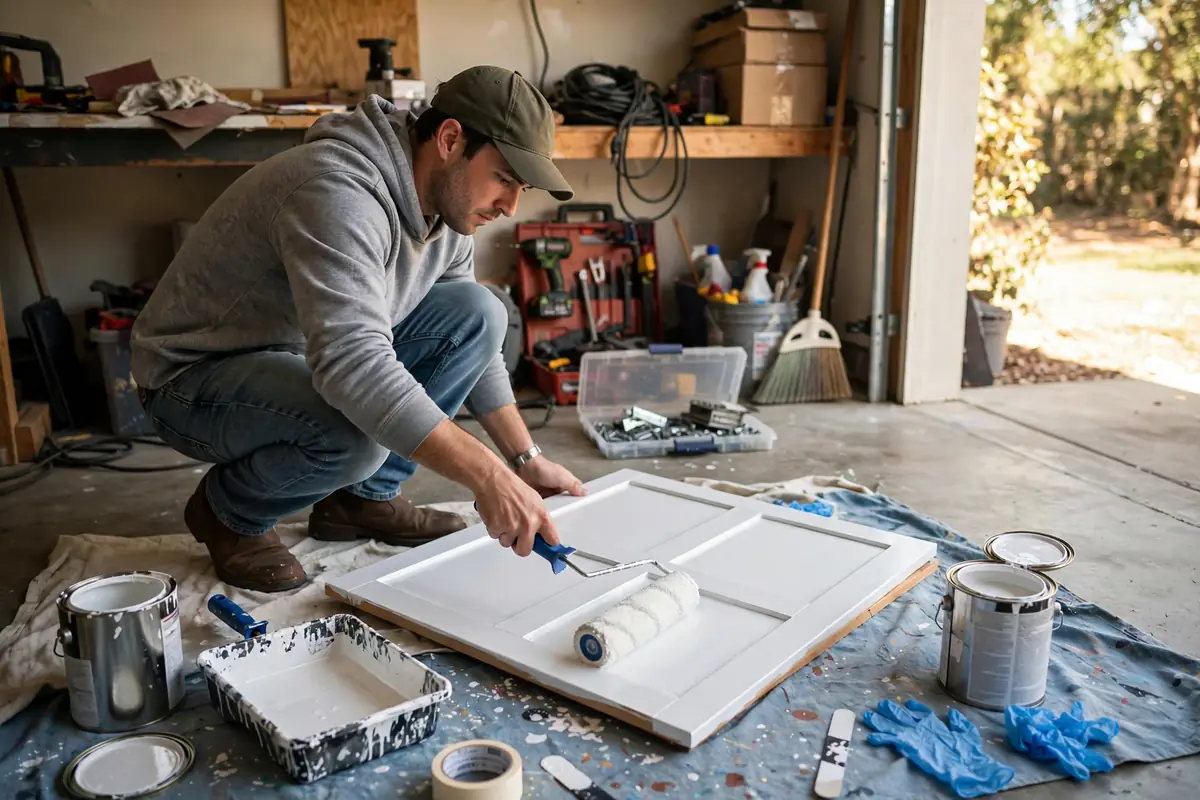
DIY Kitchen Remodel vs Contractor: Safe DIY Tasks
These four tasks reward DIY. They need patience and basic tools, not a license.
Demo. Ripping out old cabinets and drywall saves real money. Keep it non-structural. If you are unsure whether a wall carries weight, stop and ask a pro. One wrong swing can cost thousands.
Painting. Walls and ceilings are fair game. Cabinet painting is harder than YouTube makes it look. A bad cabinet paint job peels within a year. Our cabinet refacing service exists for a reason.
Hardware swaps. New knobs and pulls take an afternoon. They change the whole look for under $200. Measure twice before drilling.
Backsplash tile. Small area, forgiving learning curve. If you mess up, you lose a Saturday, not a season.
What to Never DIY in a Kitchen Remodel
Four trades are off limits. This is not gatekeeping. It is math and law.
Electrical. New circuits and panel work need a licensed electrician and a permit from the Pikes Peak Regional Building Department. Bad wiring burns houses down. Insurance can deny fire claims tied to unpermitted electrical work.
Gas lines. Gas kills when done wrong. Only licensed pros touch it. No exceptions.
Plumbing. A slow leak inside a wall rots framing for months before you smell it. Licensed plumbers pressure-test their work. You cannot.
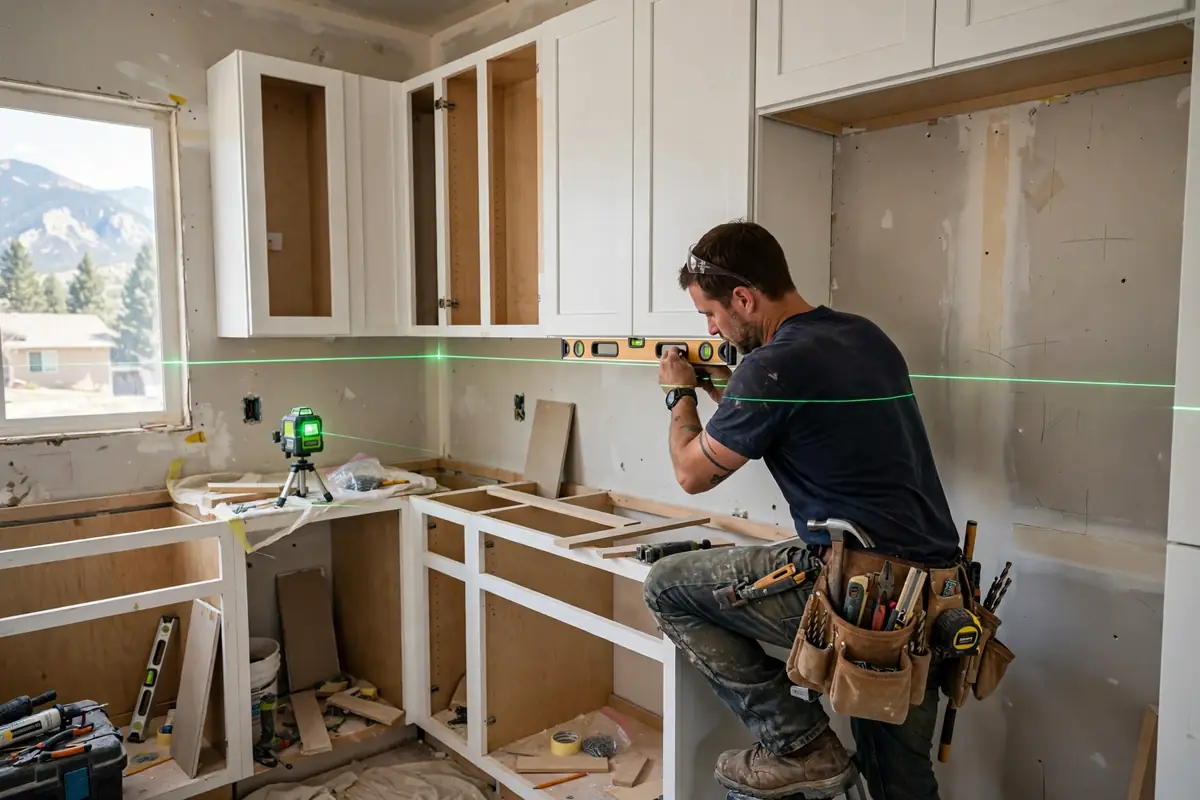
Structural work. Removing a wall needs an engineer to size the beam. Guessing wrong sags your second floor. Permits and inspections exist to catch this.
The Warranty Problem Nobody Mentions
DIY in the wrong spot can void warranties. Appliance makers often deny claims when unlicensed electrical work caused the failure. Cabinet makers can refuse to replace boxes hung off level. Plumbers may walk away from fixtures you connected yourself.
Read every warranty before you touch a trade. The savings evaporate fast when a $1,200 dishwasher dies and the manufacturer points at your wiring.
The Hybrid Path: Best of Both Worlds
Most smart homeowners land here. Split the project by risk, not by pride.
You handle demo, painting, and final cleanup. That saves $2,000 to $5,000 on a typical remodel. Labor runs 35 to 50 percent of a kitchen budget, per the National Kitchen and Bath Association. Your sweat equity hits hardest in labor-heavy, low-skill tasks.
Your contractor handles cabinets, countertops, electrical, plumbing, permits, and inspections. Everything risky stays licensed, inspected, and under warranty. Our countertop installation team, for example, templates digitally so seams land perfectly.
How to DIY Without Slowing the Job
Agree on your tasks in writing before work starts. Name each task and its deadline. Missed DIY deadlines are the top reason hybrid projects stall.
Finish your demo before the contractor arrives. Have paint choices locked before painting week. Keep your work zone clean so the crew can move. Communication beats enthusiasm every time.
Frequently Asked Questions
Demo (non-structural), painting, cabinet hardware swaps, and backsplash tiling are the safest DIY tasks. They need basic tools and patience, not licenses. Keep plumbing, electrical, gas, and structural work for licensed pros. Mistakes there cost far more than the savings.
Yes for cosmetic work. You can paint, swap hardware, and install a backsplash yourself. Any electrical, plumbing, or structural work still needs permits from the Pikes Peak Regional Building Department and licensed tradespeople. Read our permit guide before you start.
Often yes. Many appliance makers void warranties if unlicensed work caused the failure. Cabinet makers can deny claims if boxes were hung off level. Plumbers may refuse warranty coverage on fixtures installed without a licensed connection. Check every warranty before you touch a trade yourself.
The hybrid path splits the work by risk. You handle demo, painting, and finishing touches. A licensed contractor handles cabinets, countertops, electrical, plumbing, and permits. You save real money on labor while the risky, warranty-linked work stays professional and insured.
Doing your own demo, painting, and cleanup can save $2,000 to $5,000 on a typical remodel. Labor runs 35 to 50 percent of a kitchen budget, per the National Kitchen and Bath Association. So DIY makes the biggest dent in labor-heavy, low-skill tasks.
Related reading: 7 Contractor Red Flags: How to Vet a Kitchen Remodeler and 12 Kitchen Remodel Mistakes That Cost Homeowners Thousands.